Computational neuroscience · University of Washington
The machinery of neural computation
We develop theoretical approaches to understand processing in nervous systems, collaborating closely with experimental labs to uncover the algorithms of information processing. We look for common computational principles across systems that transcend mechanism.
Research
We work with experimental collaborators across many species to ask how neural coding is shaped by behavioral demands and the complex statistics of the natural world.
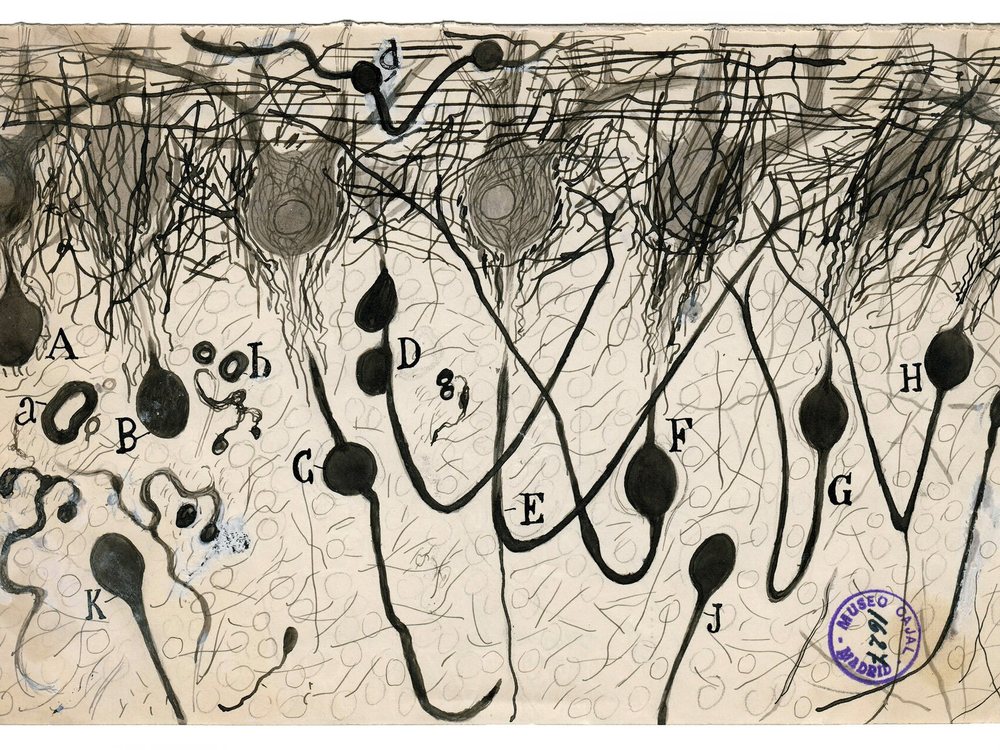
Single neurons
Adaptive computation in single neurons
What can single neurons compute, and how is this governed by the underlying biophysics?
With the Moody, Rieke and Spain labs
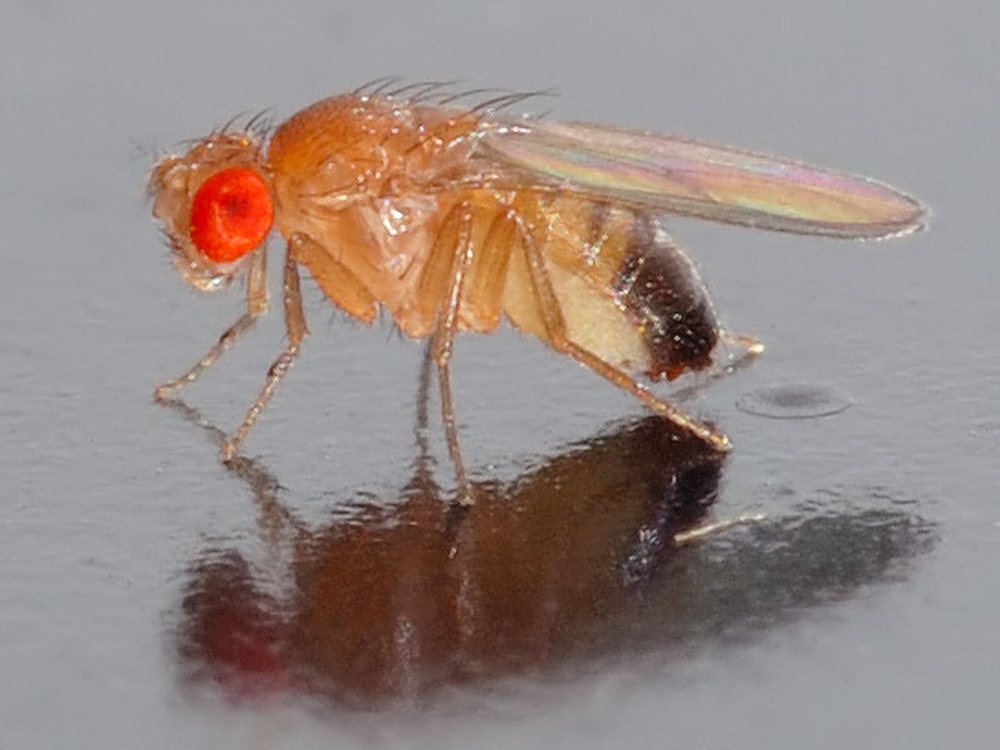
Drosophila
Dopamine, movement and reward
How do the fly’s dopaminergic reinforcement pathways represent its own movement, and how does behavioral context shape those signals?
With the Ruta lab
Zebrafish
Attention and behavioral state
How does a larval zebrafish switch its attention, and what does that reveal about state-dependent processing?
With the Engert and Ahrens labs
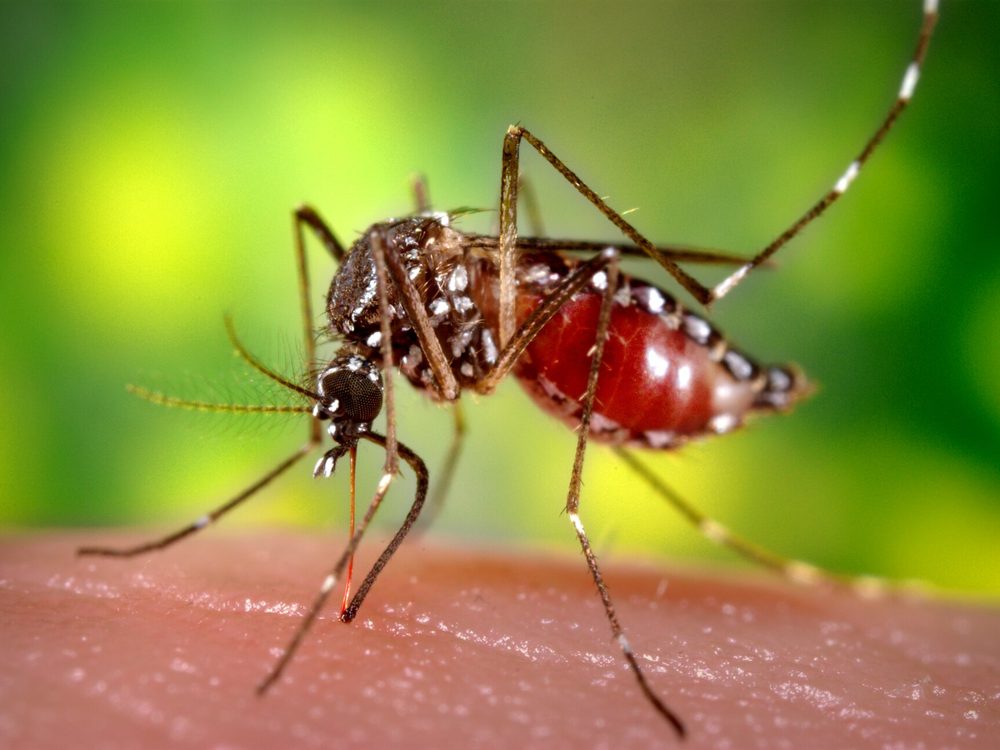
Mosquitoes
Thermosensation while foraging
Heat and CO₂ plumes are intermittent and turbulent. How do foraging mosquitoes use these cues to locate a host?
With the Daniel, Riffell and Dickinson labs
Hydra
From neural firing to behavior
The small, transparent Hydra lets us connect neural activity directly to behavior. How do neural inputs drive muscle activation and the biomechanics of the whole body?
With the Yuste, Daniel, Regnier and Bosma labs
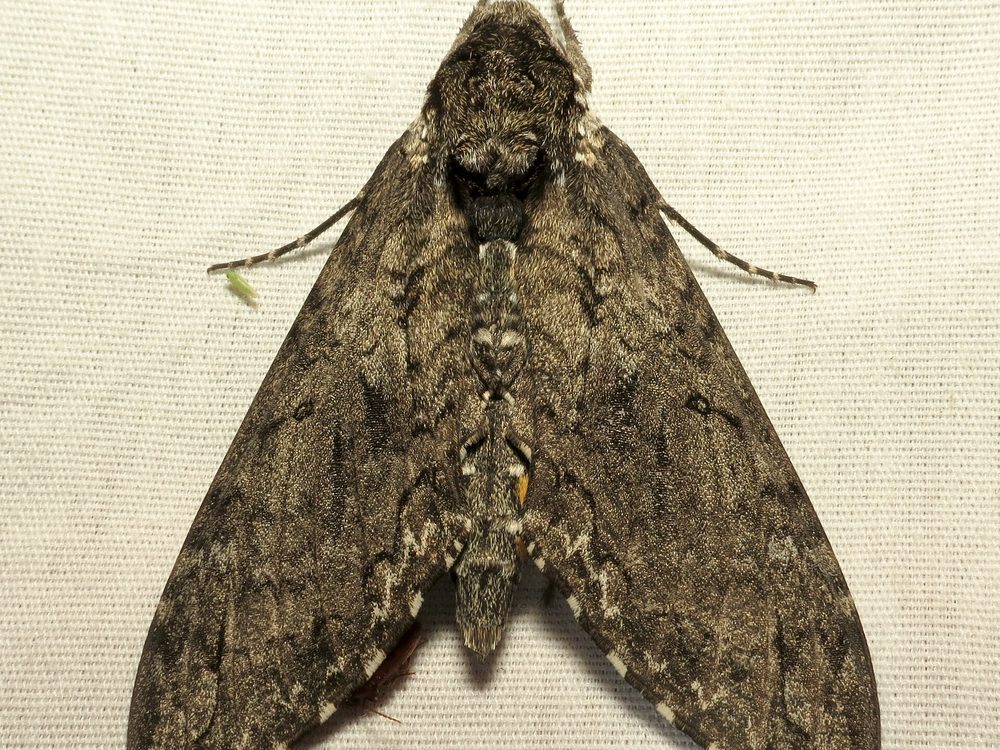
Hawkmoths & flies
From sensory input to motor output
How do sensory codes adapt to changing statistics, and how are they converted into motor commands?
With the Daniel and Dickinson labs
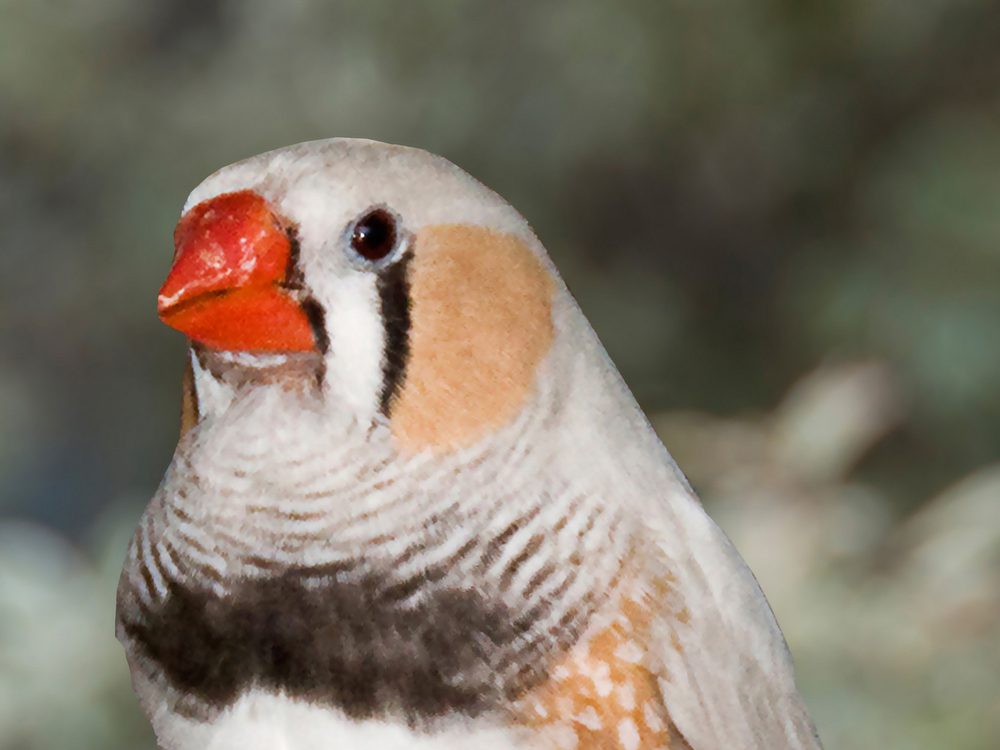
Zebra finch
Learning reliable motor output
How does the song system’s thalamocortical–basal ganglia circuitry modulate the variability needed for lifelong learning, and keep the network robust?
With the Perkel, Fee, Lois, Gardner, Gadagkar, Scott and Long labs
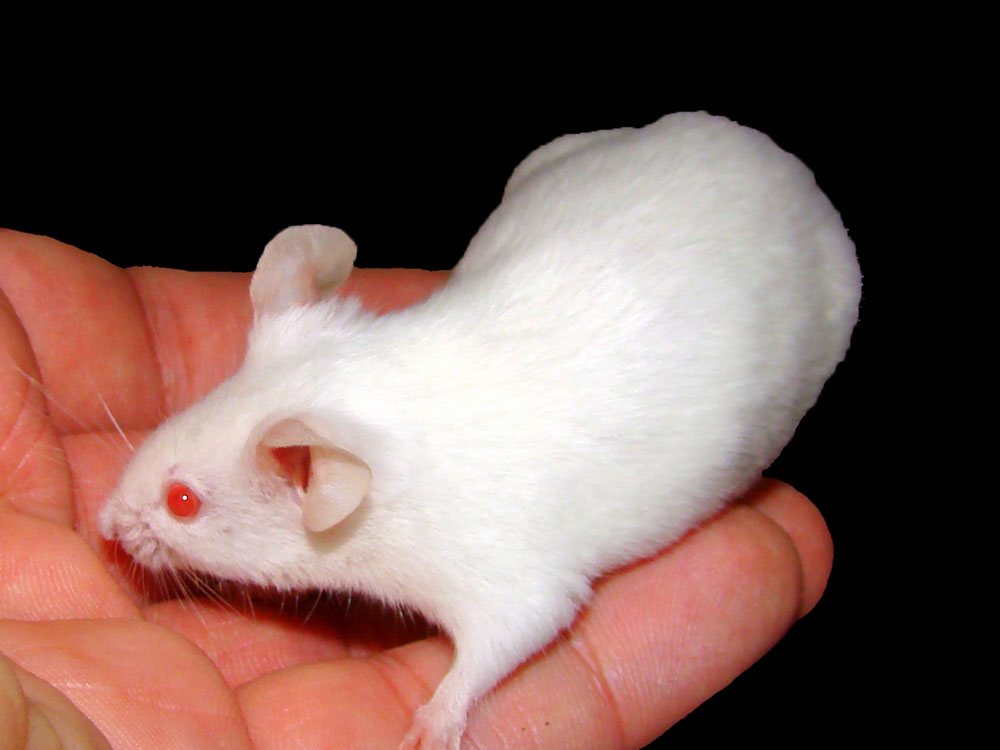
Mice
Learning and behavior in mice
How do mice exhibit flexible behaviors? How are behavioral states reflected in neural activity?
With the Svoboda, Olsen and Cohen labs
Primates
Foraging in virtual reality
How do we build internal models? How do we identify them in neural activity?
With the Buffalo lab
Images: Drawing by Santiago Ramón y Cajal (public domain); Drosophila melanogaster by André Karwath (CC BY-SA 2.5); Zebrafish whole-brain imaging from Dunn et al. (2016), Ahrens lab, eLife (CC BY 4.0); Aedes aegypti by James Gathany, CDC (public domain); Hydra calcium imaging, Dupré & Yuste (2017); Manduca sexta by Katja Schulz (CC BY 2.0); Zebra finch by Janet’s Photos (CC BY 2.0); Lab mouse by Pogrebnoj-Alexandroff (CC BY-SA 3.0); Courtesy Sofia Landi, Buffalo lab. All collaborating labs →

Our home on campus
UW Computational Neuroscience Center
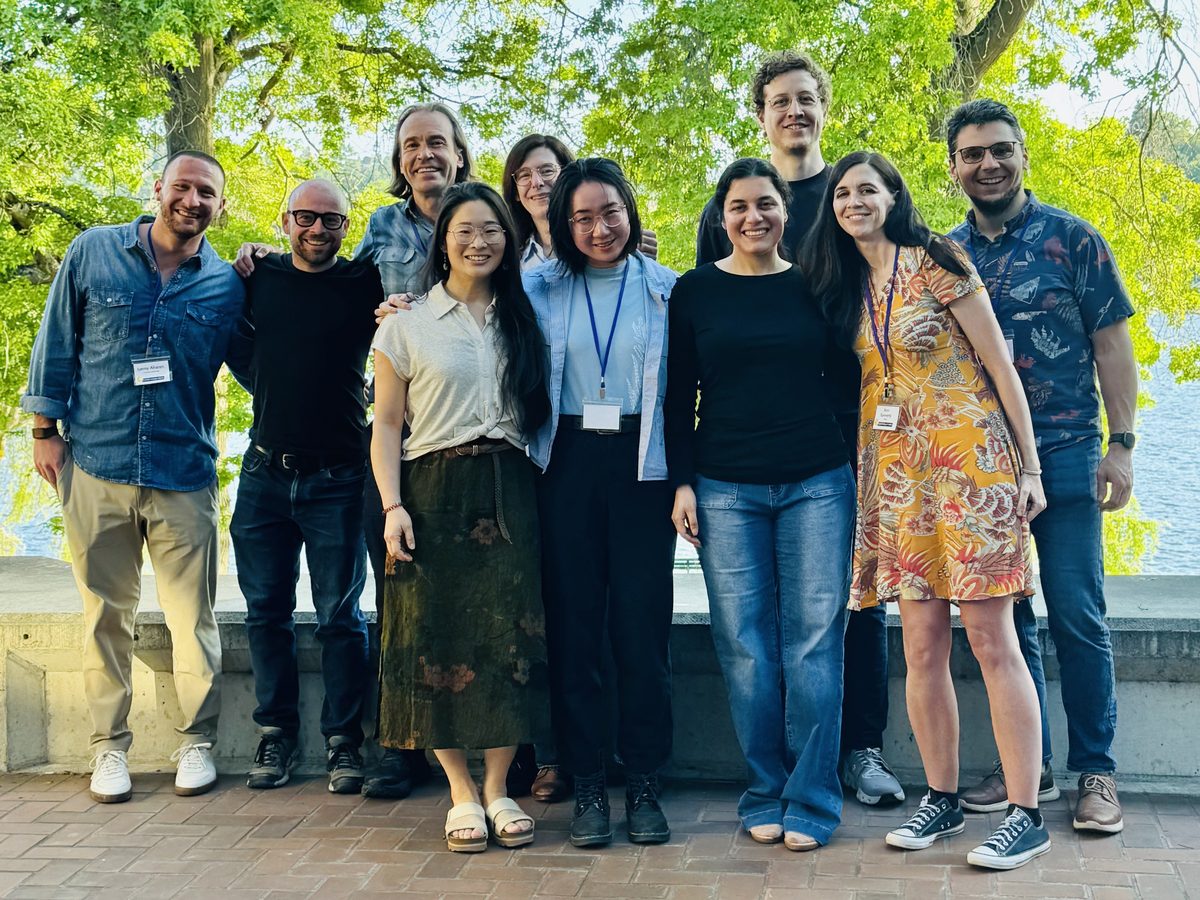
We are housed in the UW Computational Neuroscience Center, co-founded and co-directed by Adrienne Fairhall and Eric Shea-Brown. The CNC is a hub for theoretical and computational neuroscience at the University of Washington. We host weekly seminars, regular workshops and two major annual meetings, the CoNECTome and NeuroAI in Seattle, co-organized with the Allen Institute. Thanks to our partners, the Allen Institute and the Shanahan Family Foundation.


- Weekly seminars
- Regular workshops
- CoNECTome · NeuroAI in SeattleAnnual meetings, co-organized with the Allen Institute
Support
We thank our funders for their generous support.